Learning Hangul, the Korean alphabet, is the first step toward speaking and reading Korean. What makes Hangul special is that it was scientifically designed in the 15th century by King Sejong and his scholars. Unlike many alphabets that evolved over centuries, Hangul was intentionally created to be simple, logical, and easy to learn.
In this guide, we will explore the principles of Hangul creation (called jeja wonri, 제자 원리). By the end, you’ll understand how vowels and consonants were designed and how you can use this knowledge to learn Hangul faster.
The Design of Korean Vowels (모음, Moeum)
Korean vowels are not random symbols. They are based on three elements of the universe:
- ㆍ (dot) = the Sun / Heaven
- ㅡ (horizontal line) = the Earth
- ㅣ (vertical line) = Human
These three simple shapes form the foundation of all Korean vowels.
Basic Vowels by Shape (상형의 원리)
- ㆍ → Heaven (now rarely used but important in history)
- ㅡ → Earth
- ㅣ → Human
Combining to Create More Vowels (가획의 원리)
By adding strokes (dots and lines), more vowels are created:
- ㅏ = ㅣ + ㆍ
- ㅓ = ㅣ + ㆍ (to the left)
- ㅗ = ㅡ + ㆍ (above)
- ㅜ = ㅡ + ㆍ (below)
- ㅐ = ㅣ + ㆍ + ㅣ
- ㅔ = ㅣ + ㆍ + ㅣ (different position)
👉 This logical system means you don’t have to memorize each vowel separately—you just understand the rules.
The Design of Korean Consonants (자음, Ja-eum)
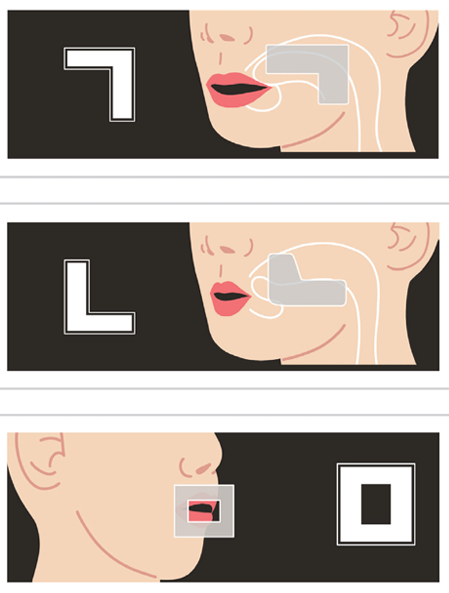
Consonants in Hangul were created by observing the shape of the mouth, tongue, and throat when pronouncing sounds. This is called the principle of imitation (상형의 원리).
Basic Consonants by Mouth Shape
- ㄱ → tongue touching the back of the mouth
- ㄴ → tongue touching the upper gums
- ㅁ → closed lips
- ㅅ → teeth shape
- ㅇ → throat shape
Adding Strokes to Create New Consonants
Just like vowels, consonants can be modified by adding strokes:
- ㄱ → ㅋ
- ㄴ → ㄷ → ㅌ → ㄹ
- ㅁ → ㅂ → ㅍ
- ㅅ → ㅈ → ㅊ
- ㅇ → ㅎ
👉 This means that Hangul consonants are not random—they are visually logical and connected.
Why Hangul is Easy to Learn
Hangul was designed with learners in mind:
- Phonetic: Each letter represents a specific sound.
- Logical: Shapes show how sounds are made in the mouth.
- Systematic: By learning a few rules, you can read and write all Korean letters.
That’s why linguists often call Hangul one of the most scientific alphabets in the world.
Practice Tips for Learning Hangul
To make your learning effective, try these exercises:
- Use picture cards – Match images like sun, earth, human with vowels ㆍ, ㅡ, ㅣ.
- Build words step by step – Start with simple syllables like 가, 나, 마, 사, 아.
- Mouth-shape practice – Use a mirror to see how your lips, teeth, and tongue form consonants.
- Pair practice – Work with a partner to test each other using flashcards.
Final Thoughts
Understanding the principles of Hangul design makes learning Korean faster and more fun. Instead of memorizing random letters, you can see how each symbol connects to nature, humans, and speech organs.
If you’re just beginning your Korean journey, start with Hangul. Once you master it, you’ll be able to read signs, menus, and even text messages in Korean.
👉 Ready to learn? Begin today, and soon you’ll see why Hangul is not just an alphabet—it’s a masterpiece of language design.
Learn Basic Korean Vowels(1): A Beginner’s Guide to Hangul
Learn Korean Vowels (2) 아, 어, 오, 우: Pronunciation and Writing Guide
Learn Korean Vowels (3) ㅡ, ㅣ, ㅔ, ㅐ: Pronunciation and Writing Guide
Learn Korean Vowels (4) 으, 이, 에, 애: A Beginner’s Guide to Hangul