In the previous lesson, you learned how to read and pronounce 아, 어, 오, 우. Now it’s time to practice another set of important vowels: ㅡ, ㅣ, ㅔ, ㅐ.
These vowels may seem tricky at first, especially ㅔ and ㅐ, which sound very similar in modern Korean. But with practice, you’ll learn how to recognize and use them correctly.
Korean Vowel ㅡ (eu)
- Symbol: ㅡ
- Pronunciation: [eu], a sound that doesn’t exist in English. It’s somewhere between “oo” and “uh.”
- Example words:
- 그 (geu, that)
- 으레 (eure, usually)
- 친구 (chingu, friend)
💡 Tip: Keep your lips relaxed and flat. Don’t round them like in “oo.”
Korean Vowel ㅣ (i)
- Symbol: ㅣ
- Pronunciation: [i], like “ee” in see
- Example words:
- 이름 (ireum, name)
- 미리 (miri, in advance)
- 시 (si, poem / city, depending on context)
💡 Tip: This vowel is one of the easiest to master. It often appears in polite endings like “-입니다” (imnida).
Korean Vowel ㅔ (e)
- Symbol: ㅔ
- Pronunciation: [e], like “e” in bed
- Example words:
- 네 (ne, yes)
- 세 (se, three)
- 세계 (segye, world)
Korean Vowel ㅐ (ae)
- Symbol: ㅐ
- Pronunciation: [ae], similar to “a” in cat
- Example words:
- 애 (ae, child)
- 새 (sae, bird / new)
- 내 (nae, my)
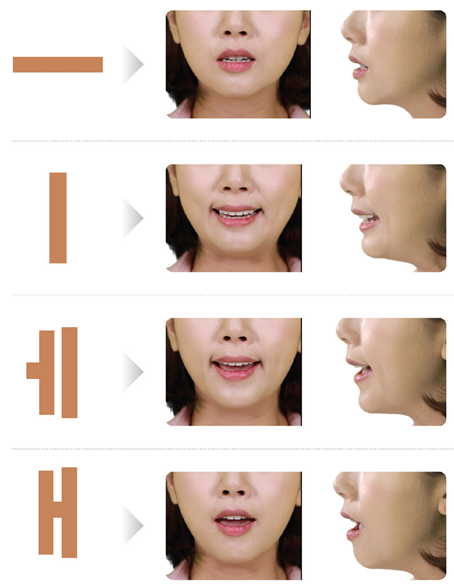
ㅔ vs. ㅐ: What’s the Difference?
In the past, ㅔ and ㅐ were pronounced differently. Today, most Koreans pronounce them almost the same. For learners, it’s not necessary to stress too much about the difference.
👉 If you can recognize the spelling and read the word, you’ll be understood—even if your ㅔ and ㅐ sound alike.
Writing Rules
- Stroke order matters!
- Write from top to bottom, and left to right.
- For example, when writing ㅐ, write ㅏ first, then add the extra horizontal stroke.
- Practice writing with correct stroke order to build muscle memory.
Practice Ideas
- Flashcards: Write the symbol (ㅡ, ㅣ, ㅔ, ㅐ) on one side and a sample word on the other.
- Pronunciation pairs: Practice listening and repeating:
- ㅡ vs. ㅜ (으 vs. 우)
- ㅔ vs. ㅐ (에 vs. 애)
- Games: Use vowel cards and combine them with ㅇ to form syllables like “이,” “에,” “애,” “으.”
Common Mistakes
- Mixing up ㅡ and ㅜ → Remember:
- ㅡ = flat lips
- ㅜ = rounded lips
- Confusing ㅔ and ㅐ → Don’t worry too much; modern Korean often pronounces them the same.
- Forgetting stroke order → Practice writing slowly and correctly.
Key Takeaways
- ㅡ is a unique Korean vowel with no direct English match.
- ㅣ is simple and very common in Korean.
- ㅔ and ㅐ are often pronounced the same today, so focus on recognizing them in writing.
- Practice with flashcards, writing drills, and listening games.
Next in the Series
Now that you’ve learned ㅡ, ㅣ, ㅔ, ㅐ, you’re ready to practice another group of vowels: 으, 이, 에, 애 in real words and sentence practice.
Learn Basic Korean Vowels(1): A Beginner’s Guide to Hangul
Learn Korean Vowels (2) 아, 어, 오, 우: Pronunciation and Writing Guide
Learn Korean Vowels (3) ㅡ, ㅣ, ㅔ, ㅐ: Pronunciation and Writing Guide